
10 Marketing Tips for Starting an Inclusive Tourism Business in Rural Areas
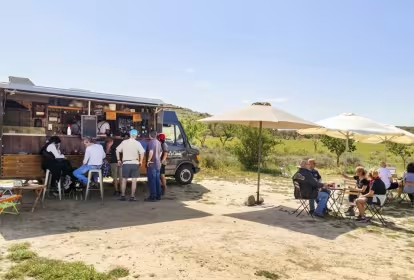
Rural tourism has become an increasingly popular choice for those looking to escape the hustle and bustle of the city and reconnect with nature and local traditions.
However, many people with disabilities or accessibility needs find it difficult to access this type of tourism and do not have the same opportunities to enjoy it.
What should be an equal right for everyone has become a source of frustration and inequality. Fortunately, there are more and more business initiatives and projects emerging every day that seek to capitalize on the opportunity for improvement that lies ahead for the sector. Let’s not forget that in Spain, 40% of the population relies on accessibility to lead a comfortable, safe, and independent life.
Here are 10 tips for starting an inclusive tourism business in rural areas, which will help you take advantage of this business opportunity:
1. Include diverse customers in your target audience: It is important to understand the needs and preferences of people with disabilities or accessibility needs so that you can offer them an experience tailored to their requirements.
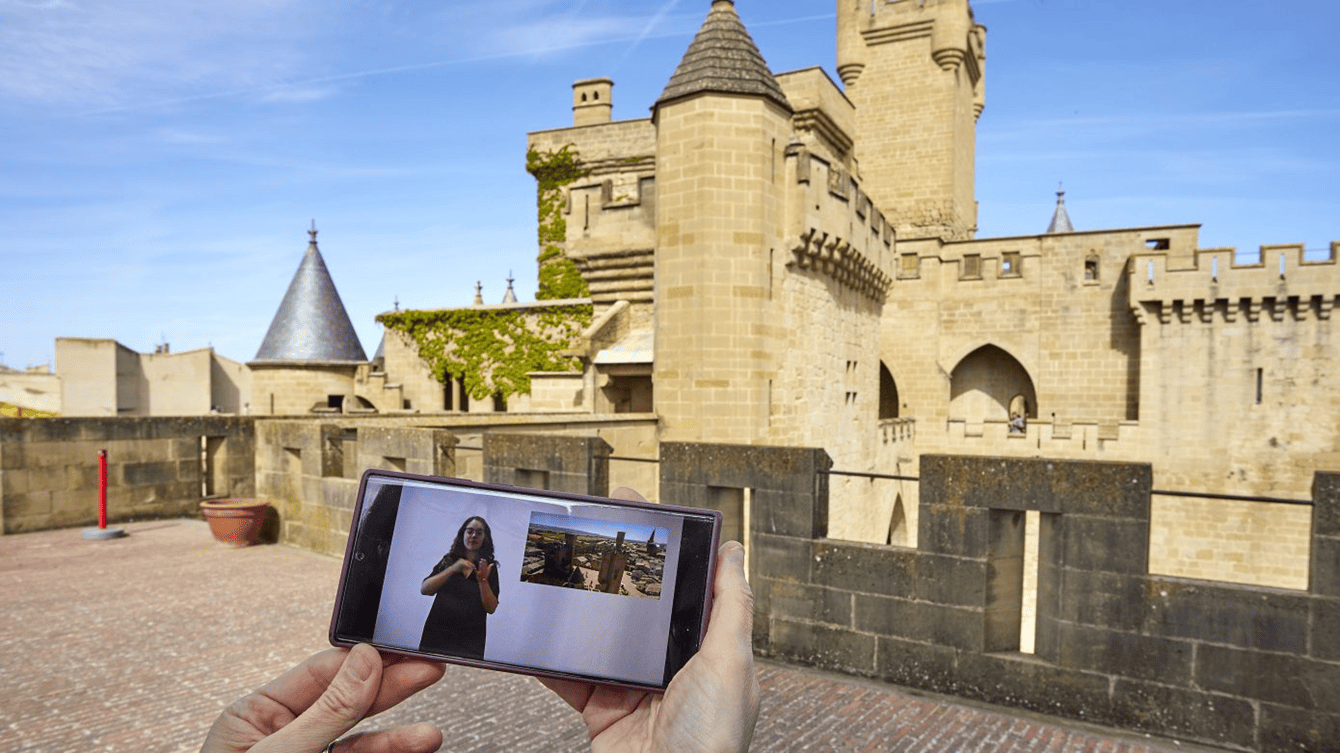
2. Remove architectural, sensory, and cognitive barriers: Ensure that your establishment is accessible to people with mobility impairments, as well as those with other disabilities, such as visual, hearing, and intellectual impairments, among others. This includes ramps, wide doors, adapted restrooms, and accessible elevators; highly legible signage; information in Braille and tactile formats; audio information; information in Sign Language; and easy-to-understand environments with clear and simple instructions.
3. Offer support services: You can provide personal assistance, sign language interpretation, or assistive technology for people with hearing or visual impairments.
4. Provide clear and accessible information on your website: All information about your business—including facilities, activities, and prices—should be available in accessible formats, such as Easy-to-Read, screen-reader-compatible PDFs, sign language, or audio description.
5. Train your staff: Your staff should be trained to assist people with disabilities or accessibility needs in a sensitive and respectful manner. Pay special attention to people with intellectual and developmental disabilities, as well as those with psychosocial disabilities.
6. Partner with other companies: You can partner with other inclusive tourism companies to offer more comprehensive packages and experiences. This will enhance your appeal and the quality of your offerings.
7. Promote your business in an accessible and inclusive way: ensure that your communications are accessible, perceptible, and understandable to everyone. Use images and videos that reflect the diversity of your target audience. You can also participate in trade shows and events focused on inclusive tourism.
8. Measure your impact: It’s important to track the steps you take to improve your business’s accessibility and the impact they have on your customers.
9. Be flexible: You should always be willing to adapt to the specific needs of a diverse clientele.
10. Keep learning!: Inclusive tourism is a constantly evolving field. It’s important to stay up to date on the latest trends and best practices.
These tips will help you create an inclusive rural tourism business that is accessible to everyone. The goal is to set yourself apart by ensuring that everyone can enjoy a unique experience in a rural setting. Seize the opportunity; guarantee the right.
Author: Luis Casado
Luis Casado is the president of the IDDEAS Foundation, as well as a consultant and trainer in Inclusive Marketing, Accessibility, and Universal Design.