
The second edition of the Open Innovation program, organized by the Ministry of Industry and CEIN, has quadrupled the number of solutions proposed by startups
The goal is to foster connections so that startups can address the technological challenges posed by the 12 participating companies
CEIN (the European Business and Innovation Center of Navarra), a public entity under the Government of Navarra’s Department of Industry, Ecological Transition, and Digital Business, has quadrupled the number of solutions submitted to its Open Innovation program, increasing from 52 to 202.
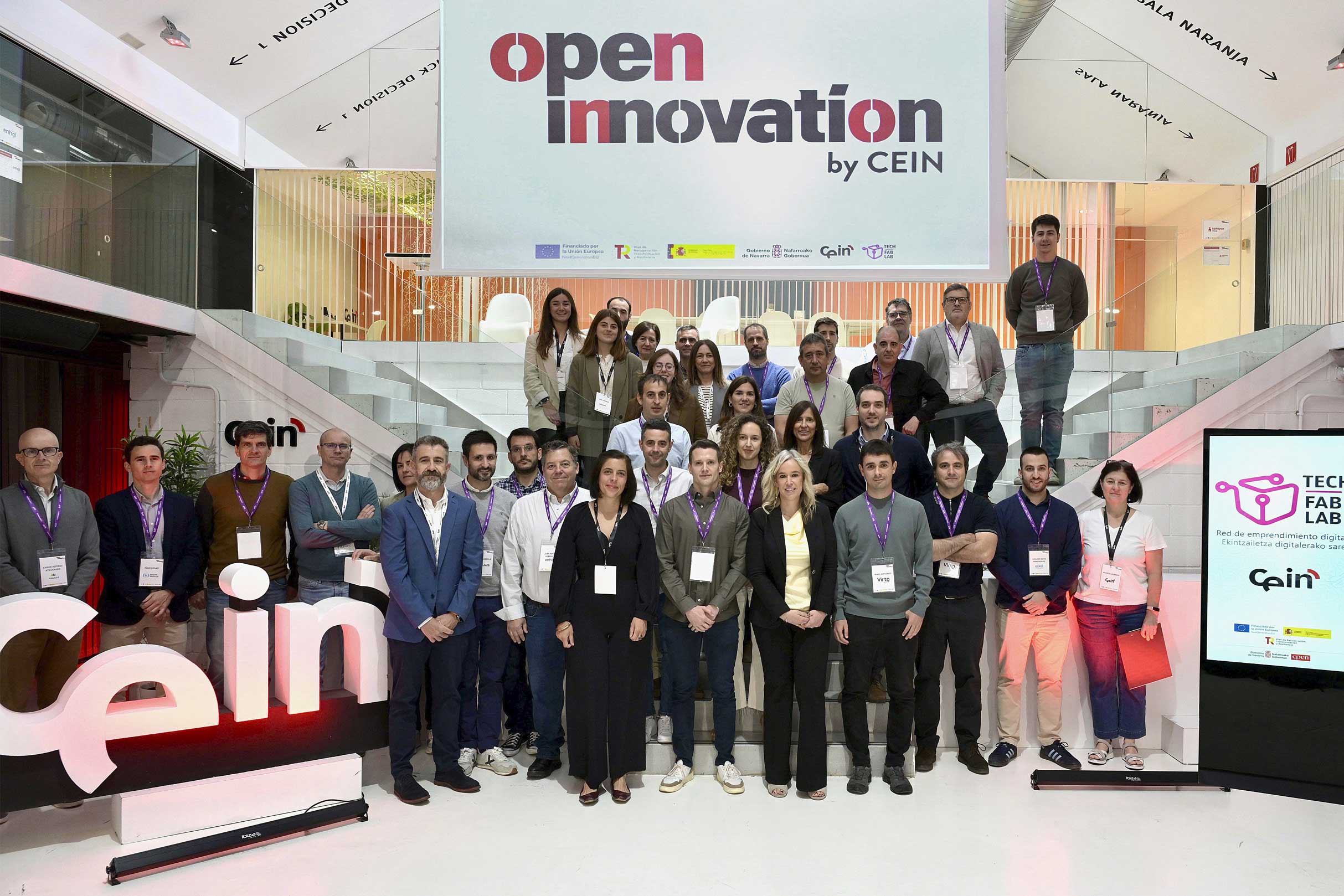
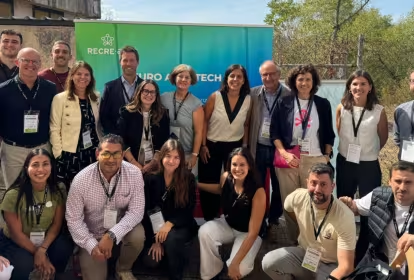
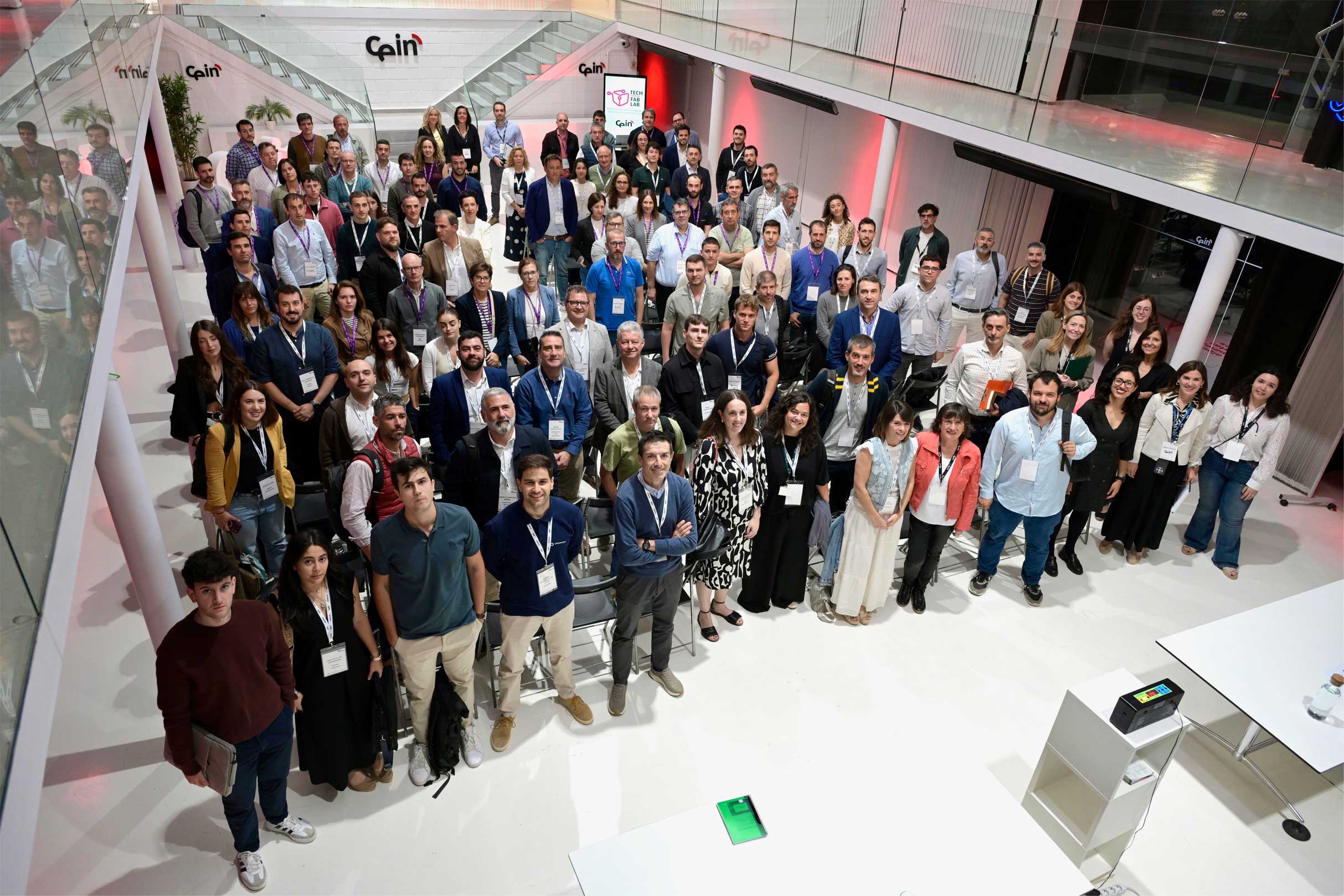
With the aim of fostering these connections, a workshop was held this morning where the 12 companies that presented their technological challenges had the opportunity to hear from the 70 startups that presented their solutions. In addition, a round of one-on-one meetings was held, with more than 60 sessions taking place.
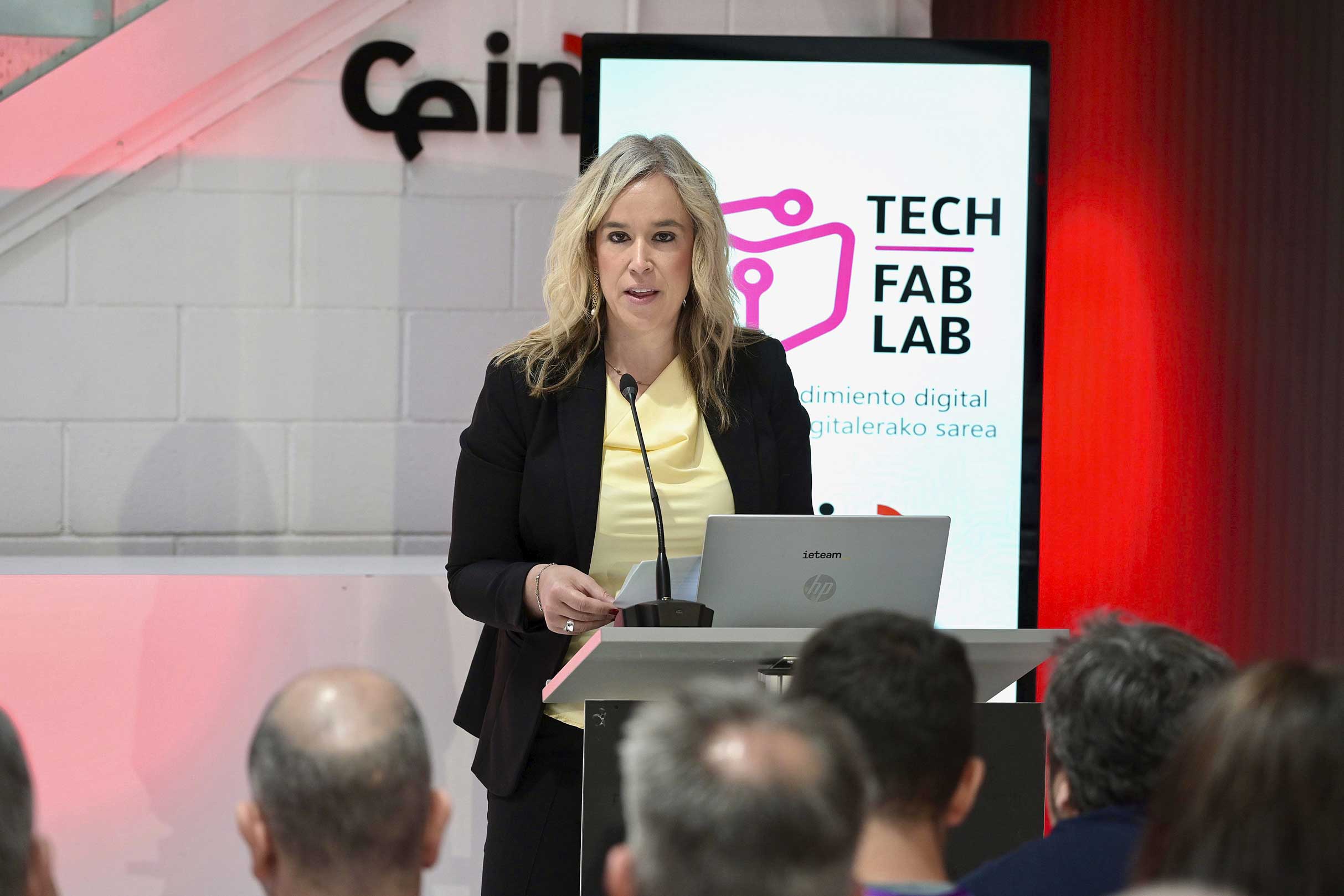
The event opened with remarks by Garbiñe Basterra, Director General of Energy and Digital Transition, Business R&D&I, and Entrepreneurship for the Government of Navarre, who emphasized that “innovation is a business necessity that can no longer be an isolated process, but must be collaborative.” “This second edition of Open Innovation reinforces the Government of Navarra’s commitment to an innovation model focused on impact, digitalization, and the sustainable growth of our business ecosystem,” she added.
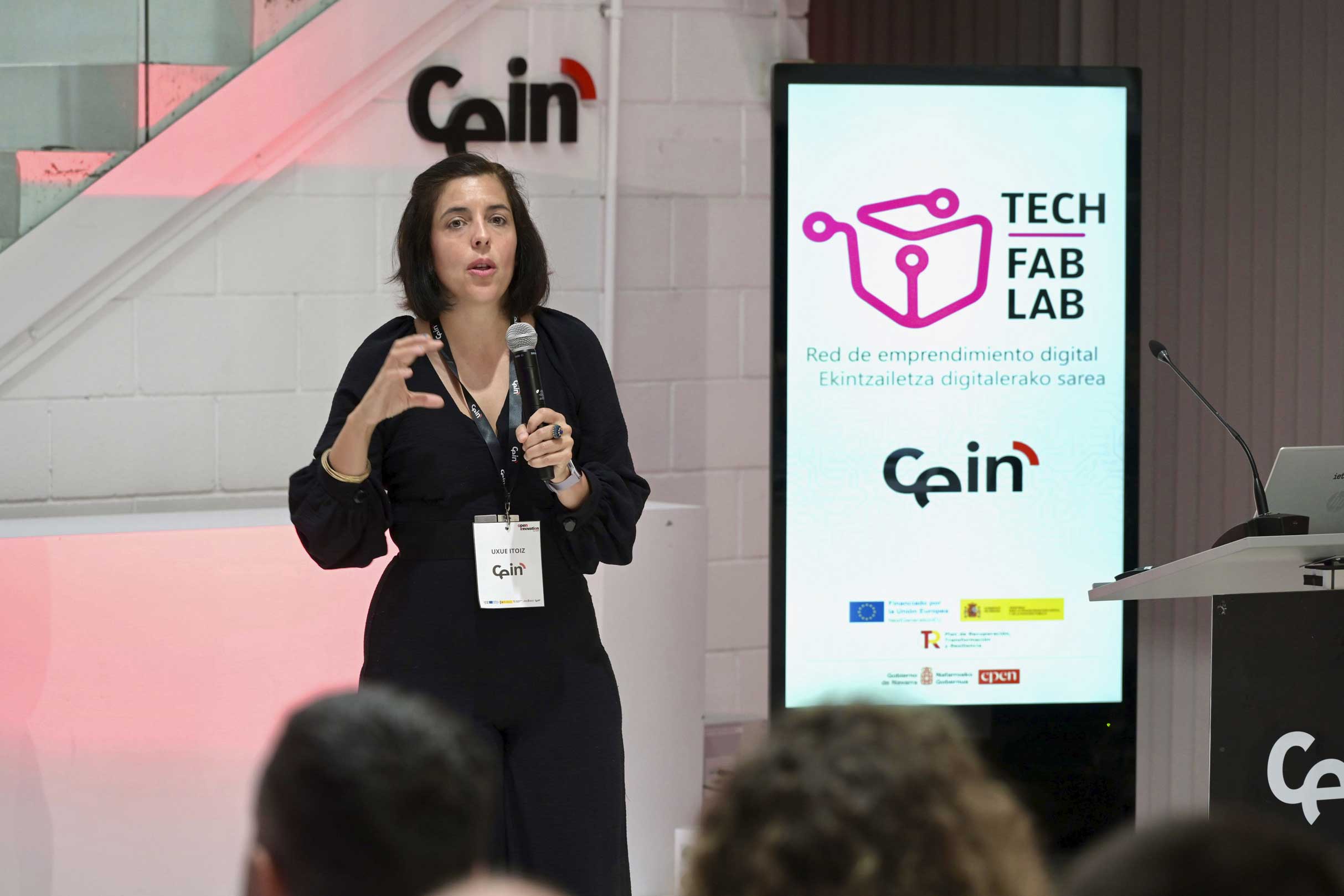
For her part, CEIN’s Executive Director, Uxue Itoiz, expressed her “gratitude for the commitment shown by the companies and startups that have joined this program.” “Open Innovation is a key program for CEIN because it not only helps our startups grow, but also brings innovation to companies throughout Navarre and ensures that our community remains at the forefront,” she concluded.
The program
The second edition of Open Innovation was launched in late April of this year with the publication of the challenges by the corporate partners. The number of participating companies increased this year from 8 to 12. Abaigar, Azkoyen, Cocuus, Enhol, Espiga I+D, Exkal, Frenos Iruña, Hidro Rubber, Josenea Bio, MTorres, Smurfit Westrock, and Virto were the participants.
Following a call for proposals, 70 startups have submitted applications. This number is double that of last year, when 36 startups applied. However, the most significant increase has been in the number of proposed solutions, which has risen from 52 to 202—a fourfold increase over last year’s figure.
These proposals were presented today to corporate representatives during a session divided into three thematic blocks: Agritech and Foodtech, AI for automation and management, and Industry 4.0.
As a new initiative this year, some of the most complex challenges faced by companies in Navarre—for which no solutions have been found at the regional or national level—will be opened up to international scouting to identify startups from other countries that can provide tailored solutions.
These figures confirm the success of the second edition of this program, which aims to foster connections between established companies facing technological challenges and startups that can help them address these challenges, as well as implement improvements in their processes and services.
The Open Innovation program is part of the Tech FabLab project aimed at creating digital entrepreneurship networks. In addition to the Government of Navarra, the regions of La Rioja, Aragón, Cantabria, Catalonia, and Valencia are participating as partners in this project. This project is funded by Next Generation funds through the Regional Networks for Technological Specialization (RETECH) initiative of the Spanish Government’s Recovery, Transformation, and Resilience Plan.
The challenges
The challenges posed by companies are as follows.
- Abaigar: “Intelligent use of construction data to anticipate deviations and improve decision-making”
- Azkoyen: “Improving the user and service experience on touchscreen coffee machines by moving toward a more modular, intuitive, and scalable architecture”; “Zero Hardware Testing: Automating firmware and software testing and validation through simulation and emulation, reducing reliance on hardware and accelerating development cycles”; “Home Barista Copilot: Development of a smart assistant in a mobile app that generates personalized recommendations to improve the user experience and coffee quality in home machines.”
- Cocuus: “To produce a fat that melts and resembles animal fat”; “To enhance the texture and fibrousness of the chicken product using MDM as a base”; “To separate the meat from the fat so that both can be used as raw materials.”
- Enhol: “Improved drying efficiency”; “Improved nutritional parameters and product palatability.”
- Espiga R&D: “Automated system for online particle size analysis of ground products”; “Anomaly detection and predictive maintenance model based on process data”.
- Exkal: “Energy management for multi-unit buildings.”
- Frenos Iruña: “Automation of incident analysis and intelligent warranty management”; “Intelligent automation of document management in purchasing and accounting”.
- Hidro Rubber: “Smart software for the formulation and development of new materials.”
- Josenea Bio: “Smart measurement and monitoring of plantations for precise crop management”; “Development of proprietary fertilizers and organic materials for internal use and commercialization”; “Sustainable preservation and packaging for fresh-cut produce.”
- MTorres: “TORRES ACADEMY: Smart platform for creating and managing internal training”; “Smart assistant for managing and leveraging internal knowledge”.
- Smurfit Westrock: “Streamlining commercial back-office processes”; “Additive for producing recyclable paper with wet strength.”
- Virto: “Automation of agricultural tasks to optimize fieldwork”; “Technologies to improve crop productivity and efficiency.”